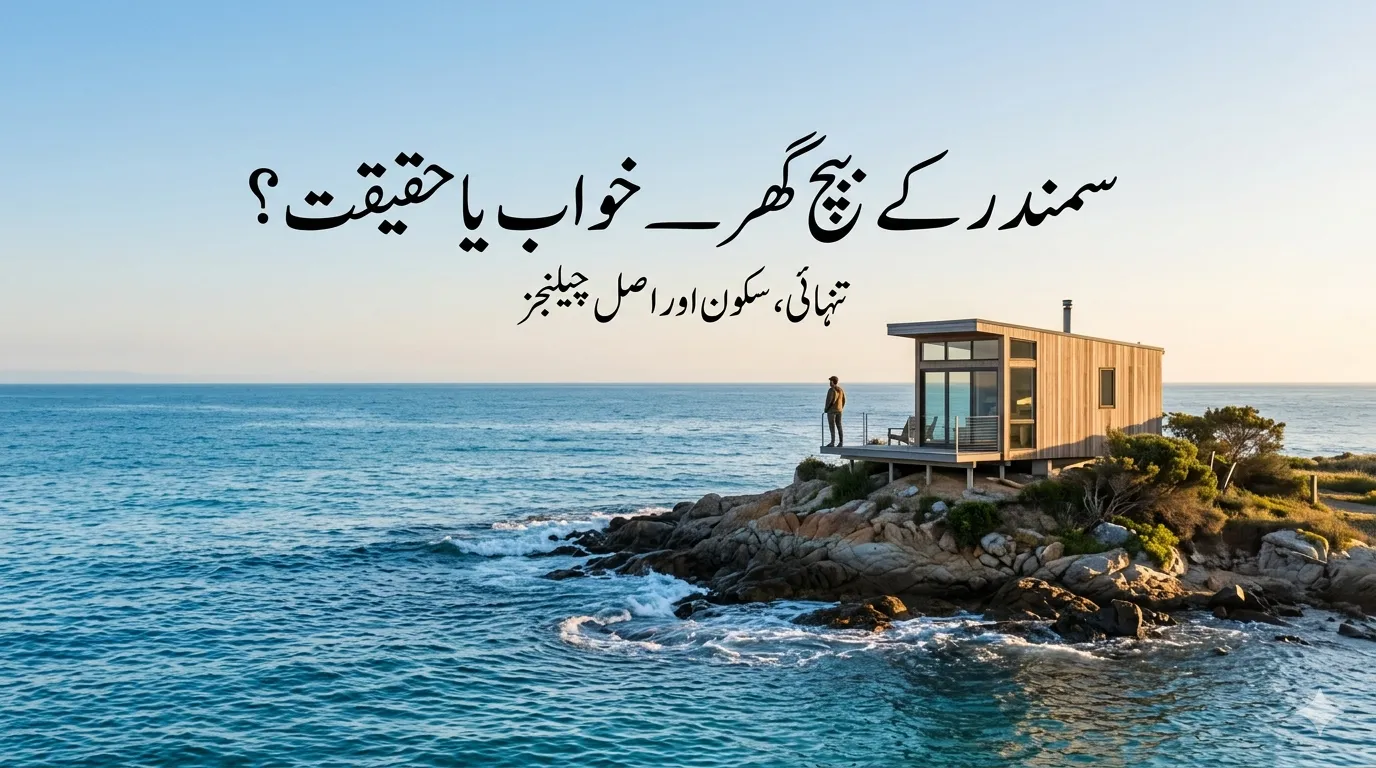
A House in the Middle of the Ocean Dream Imagine waking up to the gentle sound of waves, surrounded by endless blue water in every direction. No traffic, no noise—just pure peace. For many people, owning a house on a remote island feels like the ultimate dream. But beyond the beauty, there are real challenges that often go unnoticed.
Here’s a complete, simple, and practical guide to what island living truly looks like.
Why People Are Drawn to Island Living
Complete Privacy and Peaceful Environment
One of the biggest reasons people dream of living on an island is total privacy. Away from busy cities and daily stress, island life offers a calm and distraction-free environment.
This lifestyle is especially attractive for:
- Remote workers
- Writers and artists
- Entrepreneurs seeking focus
Being surrounded by nature can improve mental clarity and boost creativity.
Unmatched Natural Beauty
Living on an ocean island means enjoying some of the most beautiful views in the world. From crystal-clear waters to colorful sunsets, the scenery is simply breathtaking.
Popular island destinations like the Maldives and Caribbean are known for:
- Turquoise oceans
- White sandy beaches
- Peaceful surroundings
This natural beauty is a major reason why island homes are highly desirable.
The Real Challenges of Living on an Island
Limited Access to Essentials
Life on a remote island is not always easy. Everyday items like food, fuel, and supplies must be transported from the mainland.
This can lead to:
- Higher living costs
- Dependence on boats or air transport
- Possible shortages during bad weather
Even simple tasks can require careful planning.
No Standard Utilities
Unlike cities, remote islands usually don’t have basic services. Homeowners need to set up their own systems, such as:
- Solar panels or generators for electricity
- Rainwater collection or desalination systems
- Satellite internet for communication
These solutions require both investment and maintenance.
Weather and Environmental Risks
Ocean islands are more exposed to storms, strong winds, and rising sea levels. Without proper planning, these risks can become serious.
That’s why building a strong and secure home structure is essential for safety.
Cost of Owning an Island House
Buying the Island or Property
Prices vary depending on location and size. Some small islands may be affordable, while luxury private islands can cost millions of dollars.
Construction and Maintenance Costs
Building a house on an island is more expensive due to transportation challenges. You’ll also need to plan for:
- Regular maintenance
- Emergency repairs
- Monitoring and security systems
Hidden Ongoing Expenses
Many people overlook ongoing costs, including:
- Fuel for transportation
- Hiring caretakers or staff
- Insurance against natural disasters
These expenses can add up over time.
Building a Sustainable Island Home
Eco-Friendly Living
Sustainability is key when living in isolation. Many island homeowners focus on:
- Solar or wind energy
- Waste management systems like composting
- Using local and natural materials
This approach helps reduce dependency and supports long-term living.
Smart Home Design
Island homes are often designed to handle tough conditions. Common features include:
- Elevated structures to prevent flooding
- Strong materials for storm resistance
- Open designs for natural ventilation
Good design improves both comfort and safety.
Is Island Living Right for You?
Best for Remote Workers and Adventurers
If your work allows you to live anywhere, island life can be a great choice. Many digital professionals enjoy the freedom and peaceful lifestyle.
Not Ideal for Everyone
Island living may not suit:
- Families with children (limited education access)
- People needing regular medical care
Access to hospitals and essential services can be limited.
Important Tips Before Buying an Island Property
1. Research the Location Carefully
Understand weather patterns, legal rules, and accessibility.
2. Plan Utilities in Advance
Ensure reliable systems for electricity, water, and internet.
3. Visit More Than Once
Experience the island during different seasons.
4. Prepare Emergency Plans
Have clear strategies for medical and evacuation situations.
5. Work with Experienced Professionals
Consult experts in island real estate and construction.
Final Thoughts: A Beautiful Dream with Real Responsibilities
Owning a house on a remote ocean island offers a unique lifestyle filled with peace, beauty, and independence. It’s a dream that many people admire—but it also requires careful planning and responsibility.