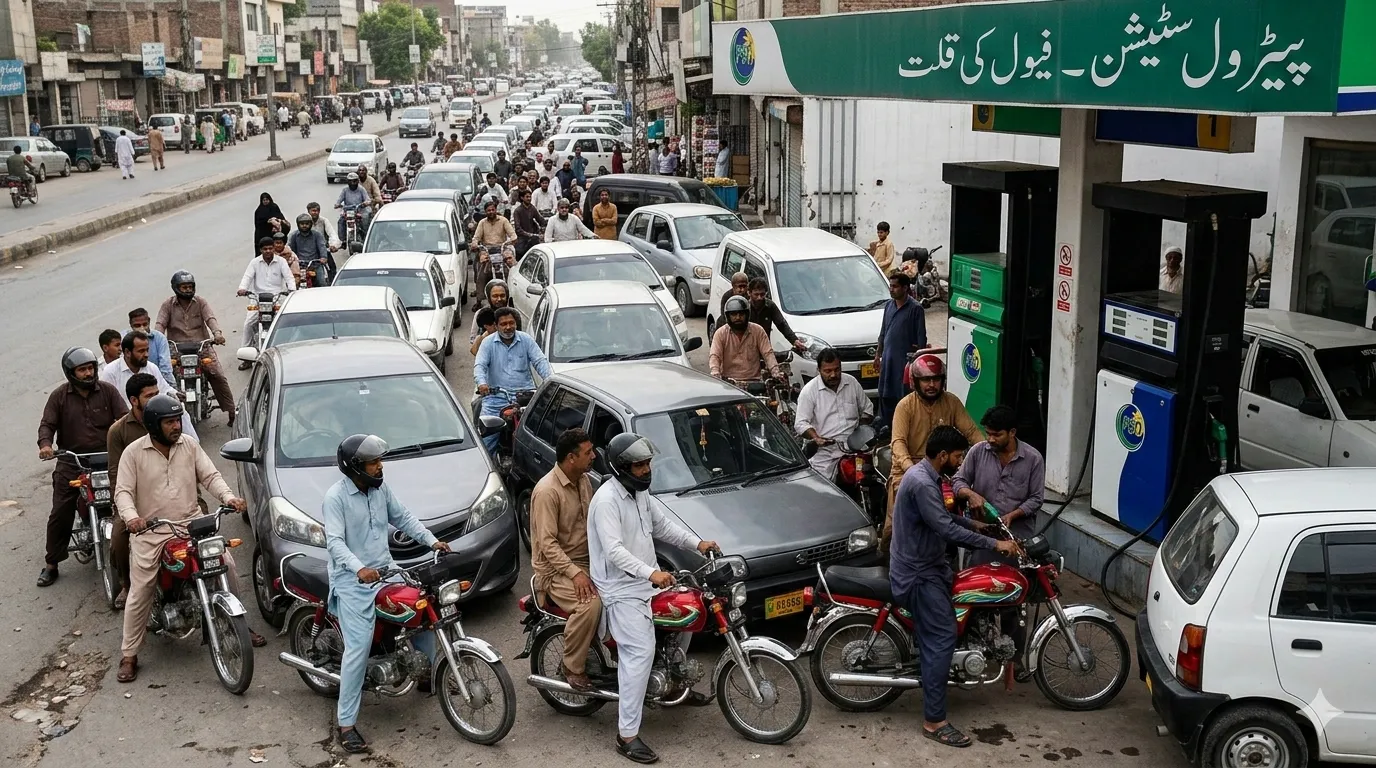
Pakistanis woke up to a major fuel price shock after the government announced a Rs55 per litre increase in petrol and high-speed diesel prices. The new rates came into effect from midnight on March 7, 2026, following a sudden surge in global oil prices. Officials say the increase was unavoidable due to the rapid escalation of oil prices in international markets and the ongoing crisis in the Middle East, which has disrupted energy supply routes.
For millions of commuters and businesses across the country, the latest increase is expected to add pressure on transportation costs and inflation.
You Can Check All new prices from this page or our website Techleez.pk
Latest Petrol and Diesel Prices Pakistan Today March 07
| Fuel Type | Previous Price | Increase | New Price |
|---|---|---|---|
| Petrol | Rs266.17 | Rs55 | Rs321.17 per litre |
| High-Speed Diesel | Around Rs281 | Rs55 | Rs335.86 per litre |
Officials confirmed that the prices were adjusted to reflect the rapid changes in international oil markets.
Global Oil Prices Surge Rapidly
Energy experts say the sudden increase in Pakistan’s fuel prices is linked directly to sharp changes in global oil markets over the past week.
| Fuel Product | Previous Global Price | Current Price |
|---|---|---|
| Petrol | $78 per barrel | Around $106–107 |
| Diesel | $88 per barrel | Close to $150 |
This means petrol prices rose nearly 37%, while diesel prices surged around 70% in a short period.
Because Pakistan imports most of its petroleum products, such international changes quickly affect domestic fuel prices.
Middle East Conflict Creating Energy Uncertainty
The ongoing tensions involving Iran, the United States, and Israel have created instability in global energy markets.
One of the most critical factors is disruption near the Strait of Hormuz, a key oil shipping route used by many countries.
When oil shipments slow down in this region, global fuel prices rise sharply, which then impacts oil-importing countries like Pakistan.
Officials say the situation remains unpredictable and may continue affecting global energy prices in the coming weeks.
Government Warns Against Fuel Hoarding
Authorities have also issued warnings against hoarding petroleum products.
Prime Minister Shehbaz Sharif has directed officials to closely monitor fuel supply and ensure that petrol stations continue operating normally.
Officials say Pakistan currently has adequate petroleum reserves, and steps are being taken to maintain stable supply.
How the Price Increase May Affect Daily Life
Higher fuel prices usually impact several sectors of the economy.
Possible effects include:
| Sector | Expected Impact |
|---|---|
| Transport | Higher fares for buses, taxis and delivery services |
| Food Prices | Increased cost of transporting goods |
| Businesses | Higher logistics and operating expenses |
| Inflation | Rise in overall living costs |
Experts believe transportation and food prices could see noticeable changes in the coming weeks.
More Fuel Price Changes Possible
Officials have indicated that fuel prices may be reviewed more frequently due to the rapidly changing global oil market.
If international oil prices continue to rise, another increase in fuel prices could occur soon. However, authorities say prices may also decrease if the global situation stabilizes.
Final Outlook
The Rs55 increase in petrol and diesel prices highlights the strong link between Pakistan’s economy and global energy markets. With tensions in the Middle East continuing to affect oil supply routes, fuel prices may remain volatile.
For now, consumers and businesses are preparing to adjust to higher fuel costs and possible inflationary pressure in the coming weeks.