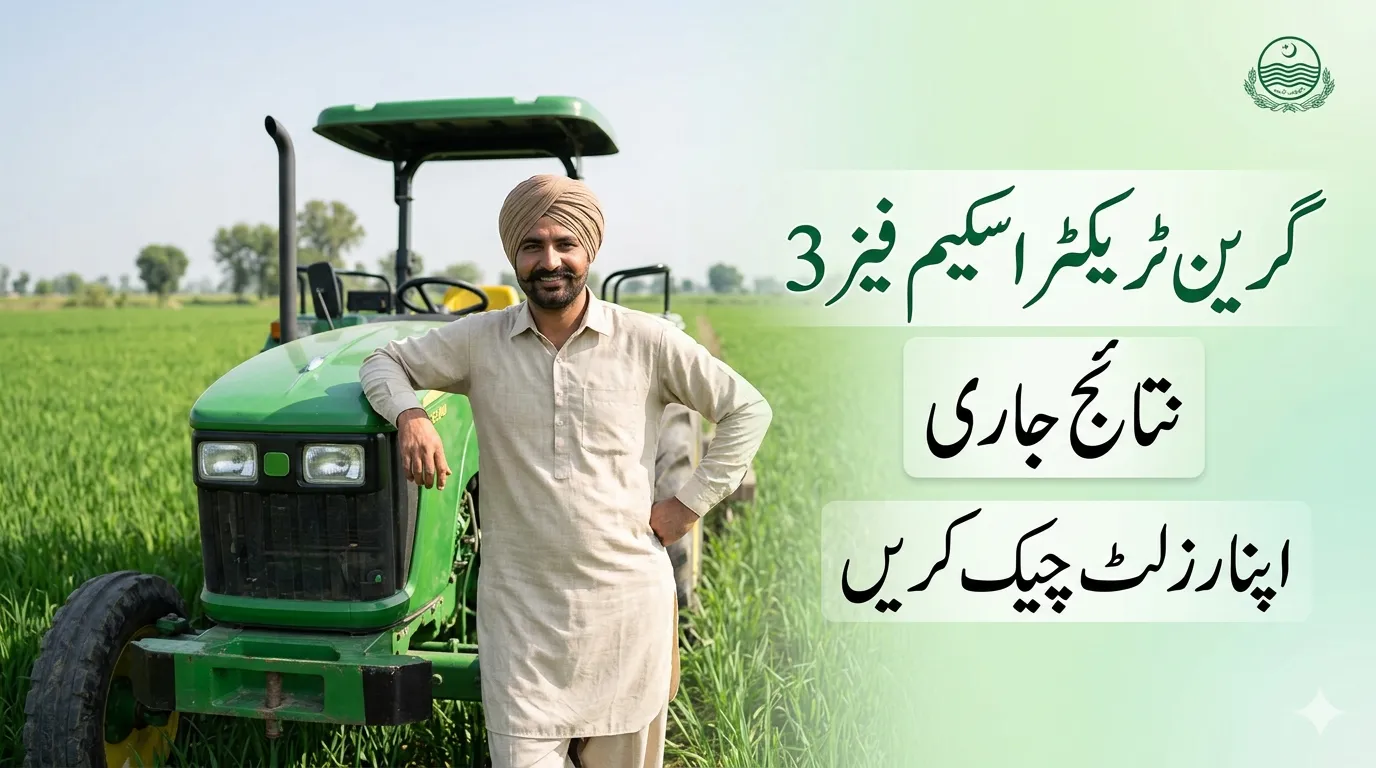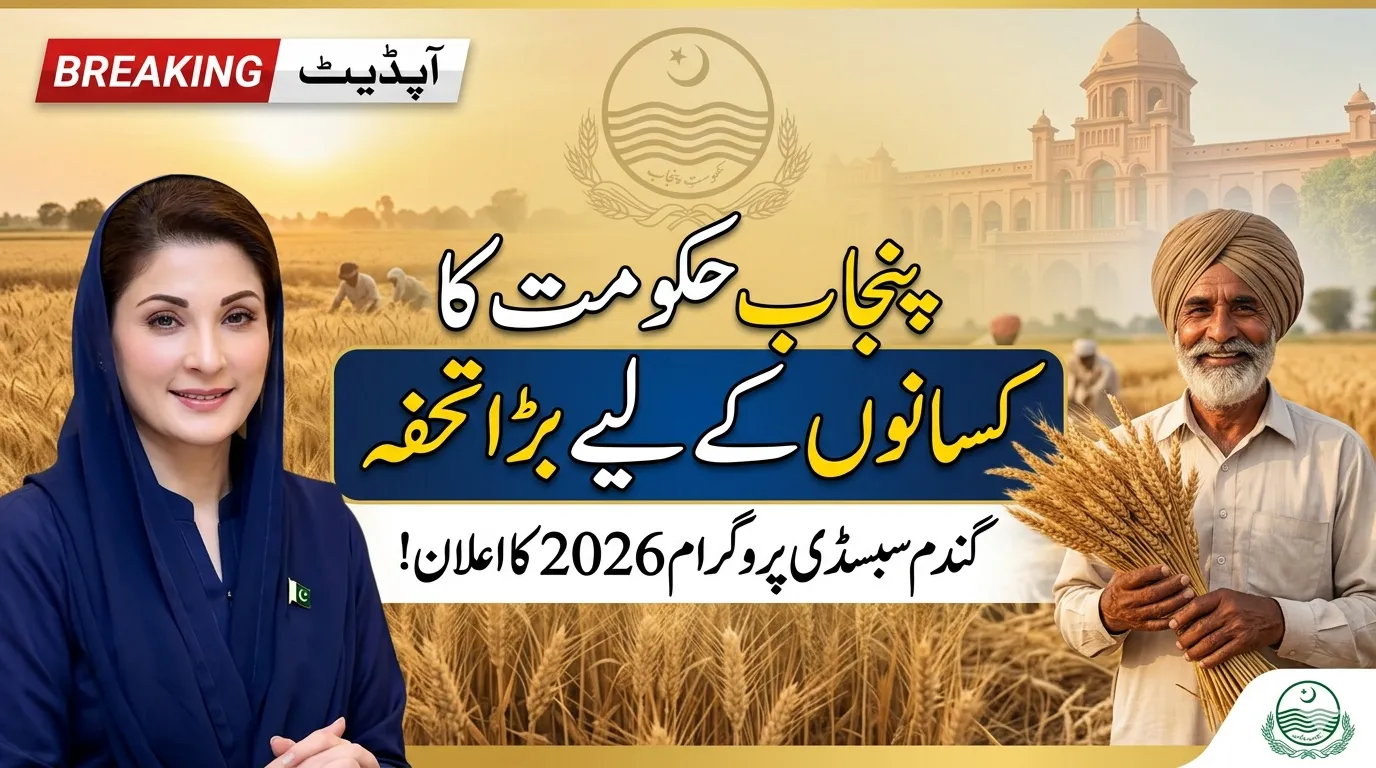
Maryam Nawaz Wheat Program has emerged as one of the most talked-about agricultural relief initiatives in Pakistan. Designed specifically for wheat farmers across Punjab, this program addresses a critical need—financial support during the wheat harvesting season. With farming costs skyrocketing and profit margins shrinking, many farmers have been struggling just to break even. This is where the government has stepped in with a powerful solution: a Rs. 6 billion Gandum Relief Package.
Read Also: CM Punjab Loan Scheme 2026 Apply Online – Complete Guide for Eligibility, Registration & Benefits
Now, you might be wondering—why is this program creating such a buzz? Well, it’s not just about giving money. It’s about stabilizing an entire agricultural ecosystem. Punjab produces the majority of Pakistan’s wheat, and any disruption here affects the whole country’s food supply. By offering subsidies, free resources, and fair pricing, the government aims to protect both farmers and consumers.
The initiative also reflects a shift toward digital governance, ensuring transparency and reducing corruption. Payments are being processed through bank accounts and mobile wallets, eliminating middlemen—a major issue in the past. This means farmers can now receive their dues quickly and securely.
Why This Program Matters for Farmers
Let’s be real—farming today isn’t what it used to be. Costs have increased dramatically, and farmers often find themselves trapped between rising expenses and unstable market prices. The Maryam Nawaz Wheat Subsidy Program 2026 is essentially a lifeline.
Farmers in Punjab face multiple challenges. Diesel prices have surged, making harvesting more expensive. Fertilizers and seeds have become costly, eating into profits before crops are even harvested. Add unpredictable weather—heavy rains, storms, or drought—and you’ve got a recipe for financial disaster.
This program directly addresses these pain points. By offering cash subsidies, diesel support, and free bardana (grain bags), the government is reducing the financial burden on farmers. It’s like giving them a safety net during one of the most uncertain phases of farming.
And here’s something important—this isn’t just about short-term relief. The program aims to build long-term sustainability by encouraging farmers to invest in better seeds, machinery, and farming techniques. When farmers feel financially secure, they’re more likely to improve productivity, which benefits the entire economy.
Read Also: Latest Update: Complete Guide to Ehsaas Program Registration 8171 NADRA (2026)
Current Agricultural Challenges in Punjab
Agriculture in Punjab is the backbone of Pakistan’s economy, yet it’s facing serious challenges. Rising costs are perhaps the biggest issue. Diesel, fertilizers, pesticides—everything is becoming more expensive year after year. For a small farmer, even a slight increase in costs can make a huge difference.
Another major problem is climate change. Unpredictable weather patterns have made farming riskier than ever. A sudden storm or unexpected rainfall can destroy months of hard work. Farmers are also dealing with water shortages in some areas and flooding in others.
Labor costs have also gone up, making harvesting more expensive. Many farmers rely on seasonal workers, and with rising wages, this becomes another financial burden.
This is exactly why the Punjab government introduced the wheat subsidy scheme 2026—to cushion farmers against these challenges and ensure they can continue producing wheat without facing heavy losses.
Key Highlights of Rs. 6 Billion Gandum Relief Package
The Rs. 6 billion wheat subsidy package is not just a single benefit—it’s a comprehensive support system for farmers.
Free Bardana Distribution
One of the biggest highlights is the distribution of free bardana (wheat bags) worth Rs. 6 billion. This is a game-changer because farmers previously had to purchase these bags themselves, adding extra costs.
Registered farmers will receive around 10 bags per acre, making it easier to store and transport wheat without additional expenses.
Cash Subsidy & Financial Assistance
The program also includes direct cash assistance, ranging from Rs. 1500 to Rs. 5000 per acre. This money helps farmers cover immediate expenses like labor and transportation.
Wheat Support Price 2026
The government has set a minimum support price of Rs. 3500 per 40 kg (per maund) to ensure farmers get fair compensation.
Official Wheat Rate 2026 (Gandum Price)
The wheat support price is a crucial part of this program because it guarantees farmers a minimum income.
Price Breakdown
| Quantity | Price |
|---|---|
| 40 kg (1 Maund) | Rs. 3,500 |
| 100 kg | Rs. 8,750 |
This fixed rate protects farmers from market fluctuations and ensures stable earnings.
Eligibility Criteria for Farmers
To benefit from this program, farmers must meet certain requirements.
Basic Requirements
-
Must be a resident of Punjab
-
Valid CNIC required
-
Must be an active farmer
Land Ownership Conditions
-
Land must be legally registered
-
Accurate crop data must be provided
-
No fraudulent claims
These conditions ensure that only genuine farmers receive the subsidy.
Subsidy Details and Benefits
Per Acre Subsidy Breakdown
Farmers can receive up to Rs. 5,000 per acre, which significantly reduces harvesting costs.
Diesel & Petrol Subsidy
The government is also offering diesel subsidies, helping farmers operate machinery at lower costs. This is especially helpful during harvesting when fuel consumption is high.
Role of Kisan Card in Subsidy Program
The Kisan Card plays a central role in this entire system. It acts as a digital identity for farmers, making subsidy distribution faster and more transparent.
Benefits of Kisan Card
-
Direct payments via ATM or mobile wallets
-
Easy access to subsidies
-
Reduced corruption and middlemen
Farmers registered with the Kisan Card are given priority during wheat procurement.
How to Apply for Wheat Subsidy 2026
Applying for the subsidy is simple and digital.
Step-by-Step Process
-
Visit the Punjab agriculture portal
-
Enter CNIC and mobile number
-
Add land and crop details
-
Submit the application
-
Wait for verification
8070 Code Eligibility Check
Farmers can also check eligibility by sending their CNIC to 8070, making the process even easier.
Read Also: Punjab Government Starts Paying Delayed Salaries of 12,500 School Teacher Interns – Latest Update
Impact of Wheat Subsidy Program on Farmers
This program is expected to create a strong positive impact on Punjab’s agricultural sector.
Economic Impact
Farmers will experience increased income and reduced costs. With guaranteed prices and subsidies, they can plan their finances better.
Agricultural Growth
The program encourages better farming practices, leading to improved crop quality and higher yields.
Tips to Successfully Receive Subsidy
-
Keep land records updated
-
Use correct CNIC details
-
Apply before deadlines
-
Avoid middlemen
-
Stay updated with official announcements
Latest Updates April 2026
-
Rs. 6 billion package officially announced
-
Wheat procurement started at Rs. 3500 per maund
-
Free bardana distribution ongoing
-
Payments processed within 72 hours
Conclusion
The CM Punjab Maryam Nawaz Wheat Subsidy Program 2026 is more than just financial assistance—it’s a strategic move to strengthen Pakistan’s agricultural backbone. By combining cash subsidies, free resources, and fair pricing, the government has created a system that supports farmers at every stage of the wheat cycle.
For farmers, this is an opportunity to stabilize their income and invest in better farming practices. For the country, it ensures food security and economic growth. If you’re eligible, applying for this program could make a significant difference in your farming journey.
FAQs
1. How can I apply for the wheat subsidy program 2026?
You can apply through the Punjab agriculture portal by entering your CNIC and land details.
2. What is the wheat support price in 2026?
The official support price is Rs. 3500 per 40 kg (maund).
3. Who is eligible for this subsidy?
Farmers living in Punjab with valid CNIC and registered land are eligible.
4. What benefits does the Kisan Card provide?
It enables direct payments, transparency, and easy access to subsidies.
5. Is the Rs. 6 billion subsidy package real?
Yes, it has been officially announced by the Punjab government and is currently being implemented.